Explore Montana
Montana is where large-scale clean energy projects become reality.

Montana pairs operating industrial assets with projects that need substantial land, power, materials and transmission access. The state supports current production in fuels and critical minerals while giving long-horizon infrastructure projects room to advance through permitting and engineering. That combination creates a practical base for capital-intensive clean energy development.
America’s only primary source of platinum & palladium
America’s only primary source of platinum & palladium
Montana is home to Stillwater Mining Complex, the only primary producer of platinum and palladium in the U.S. These critical minerals are used in clean energy technologies, electronics, hydrogen applications and aerospace.
Built to power the Western U.S.
Built to power the Western U.S.
Montana’s extensive energy generation assets and regional transmission connections allow electricity produced in the state to serve markets across the western United States.
Building the next generation of industrial supply chains
Building the next generation of industrial supply chains
Montana’s mineral resources and growing industrial investment contribute raw materials and production capacity to clean energy manufacturing, grid equipment and other strategically important industries.
Flexibility to scale without constraints
Flexibility to scale without constraints
Montana’s expansive land, industrial sites and transmission corridors give developers space to pursue major energy, manufacturing and infrastructure projects.
Key Clean Energy Sectors
Key Clean Energy Projects
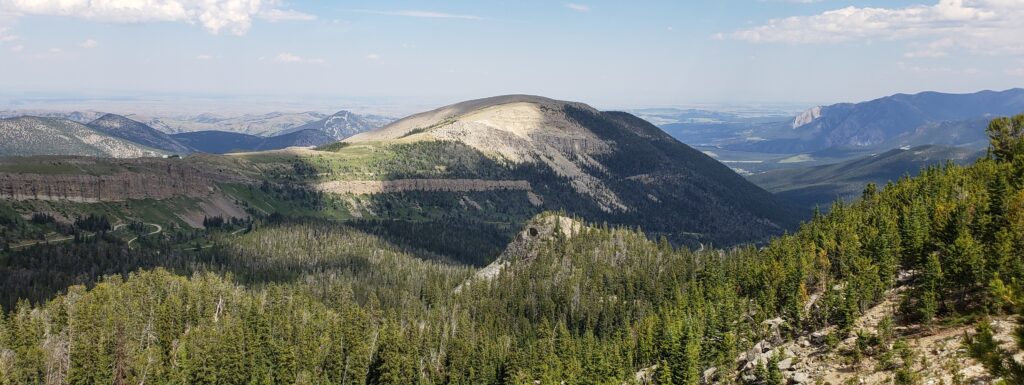
Supplying Critical Minerals for the Clean Energy Transition
Company / Partners: Sibanye-Stillwater
Sibanye-Stillwater’s Stillwater East and East Boulder mines remain the only primary U.S. source of mined platinum and palladium. In 2025, the operations produced 284,069 ounces of platinum-group metals and supported 870 employees and contractors, with one processed through integrated facilities in Montana.
Impact:
- Increases domestic availability of critical minerals
- Serves clean energy, advanced manufacturing and national defense
- Diversifies critical mineral supply chains
- Sustains high-skilled mining and processing job
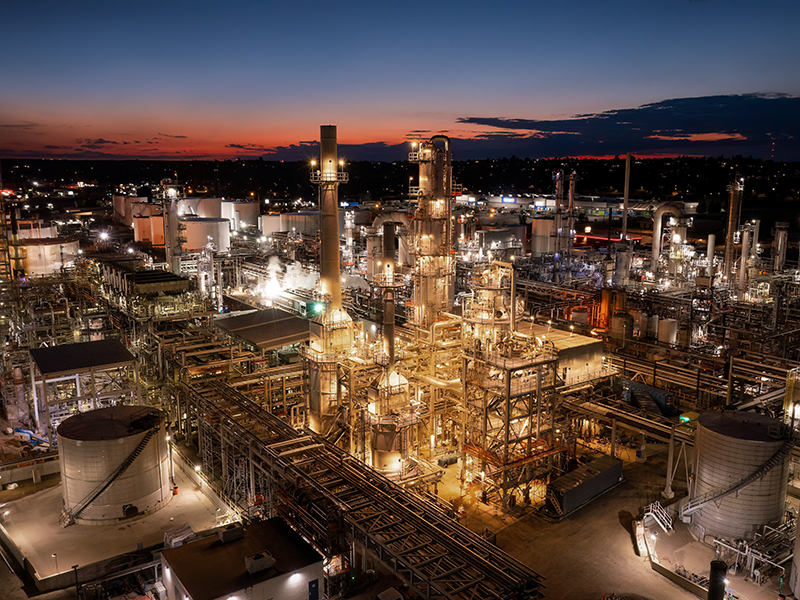
Scaling Sustainable Aviation Fuel Production
Company / Partners: Montana Renewables, U.S. Department of Energy
Montana Renewables transformed a portion of an existing refinery in Great Falls into one of North America’s largest renewable fuels facilities. The company completed the first phase of its MaxSAF® 150 expansion in 2026 and reached a 600-million-gallon annual sustainable aviation fuel run rate by the end of the second quarter. Further upgrades target more than 80 million gallons by the end of 2026 and more than 120 million gallons in spring 2027. The expansion is backed by a $1.67 billion U.S. Department of Energy loan guarantee.
Impact:
- Increases production at an operating sustainable aviation fuel facility
- Gives existing industrial facilities a new clean energy use
- Connects agricultural inputs with renewable fuel markets
- Creates long-term manufacturing and construction job
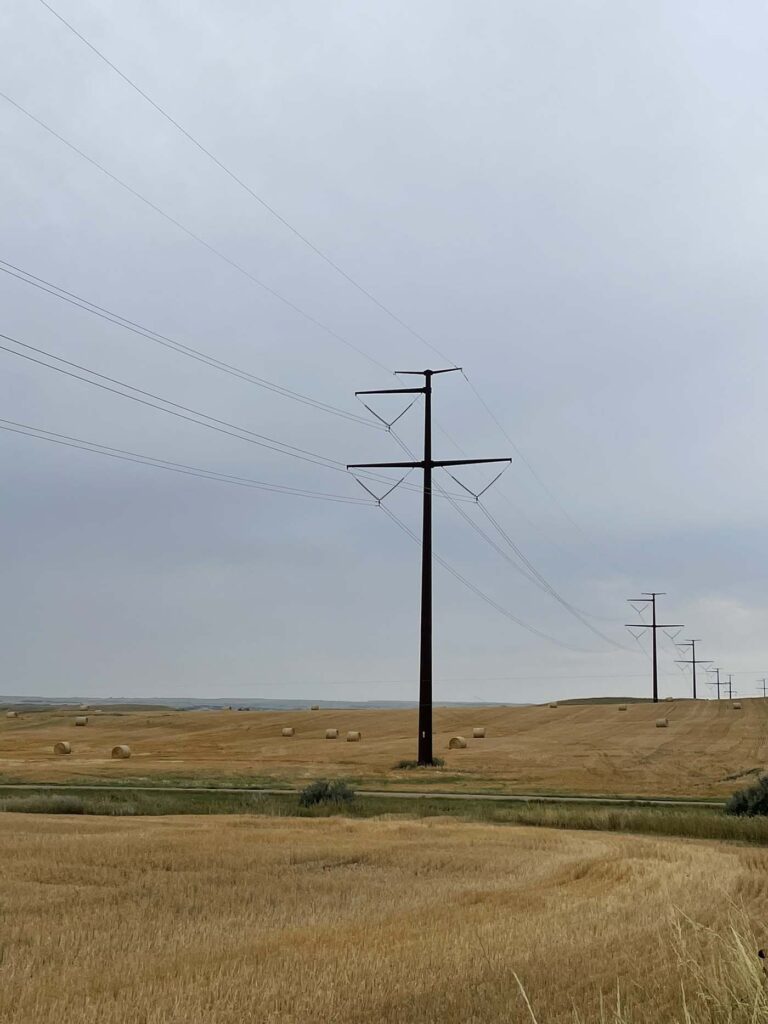
Connecting Regional Electric Grids
Company / Partners: Grid United, North Plains Connector
The North Plains Connector is in the permitting and engineering phase for a 420-mile, 3,000-megawatt high-voltage transmission line between Montana with North Dakota to create one of the first direct connections between the Western and Eastern U.S. electric grids. A draft environmental impact statement was issued in January 2026, and engineering and procurement work is underway. Major construction is expected to begin in 2028, with commercial operation targeted for 2032.
Impact:
- Will add 3,000 megawatts of bidirectional transmission capacity
- Will improve long-distance grid reliability and resilience
- Will create capacity for future generations projects
- Will connect regional energy systems