Explore Oregon
Oregon is where tomorrow’s clean energy technologies are engineered, tested and built.

Oregon’s advantage is turning concepts into systems that can be tested, built and integrated into the grid. Operating test facilities, engineering expertise and production know-how help developers verify performance, reduce project risk and prepare technologies for real-world use. The same industrial base supports semiconductors and other components used across the modern energy system.
100% clean energy mandated by 2040
100% clean energy mandated by 2040
Oregon’s Clean Energy Targets bill provides a clear roadmap for the state’s largest electric utilities and clean energy developers to achieve 100% clean energy by 2040, giving investors and project developers long-term policy visibility.
Second-largest producer of hydro power in the U.S.
Second-largest producer of hydro power in the U.S.
As the nation’s second-largest producer of hydroelectric power, Oregon offers dependable renewable electricity for energy-intensive operations.
Home to the Silicon Forest
Home to the Silicon Forest
Oregon’s nationally recognized semiconductor and high-tech manufacturing cluster connects companies including Intel, HP and Tektronix with specialized suppliers and a highly skilled technical workforce.
First U.S. open-ocean wave energy test site
First U.S. open-ocean wave energy test site
PacWave South, the nation’s first grid-connected, utility-scale, open-ocean wave energy test site, gives developers a place to validate marine energy technologies under real-world conditions before commercial deployment.
Key Clean Energy Sectors
Key Clean Energy Projects

Proving the Future of Marine Energy
Company / Partners: PacWave South, Oregon State University, U.S. Department of Energy
PacWave South is now fully operational as the nation’s first utility-scale, grid-connected, open-ocean wave energy test facility. Its four independently cabled berths can accommodate up to 20 wage energy converters with a combined generating capacity of up to 20 megawatts. Because the facility is pre-permitted, developers can reduce the time and cost required to validate technologies under real ocean conditions.
Impact:
- Provides a full operational, grid-connected testing infrastructure
- Allows multiple wave technologies to be tested simultaneously
- Reduces the time, cost and permitting burden of open-ocean testing
- Advances commercial marine energy development
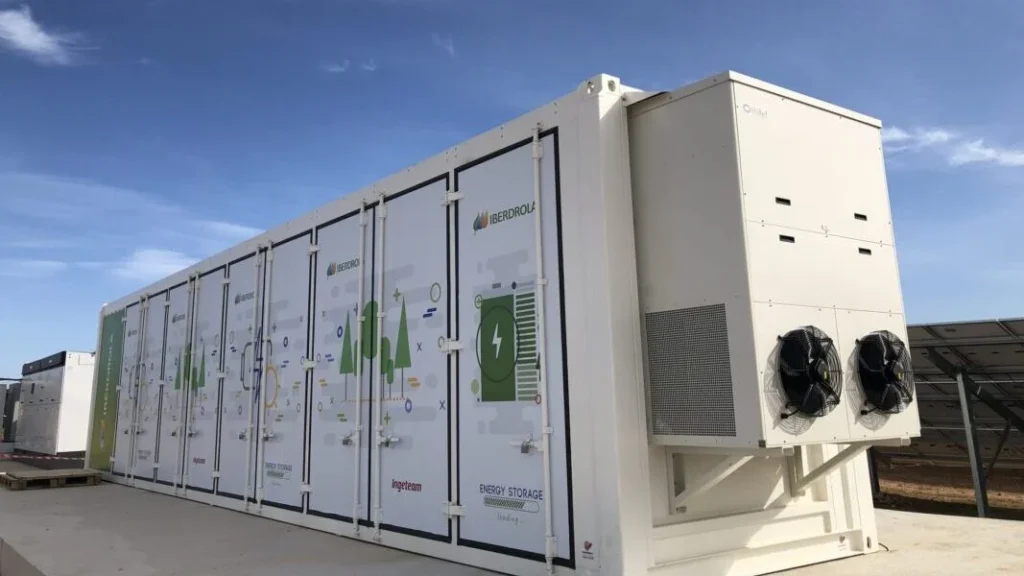
Adding Large-Scale Battery Storage
Company / Partners: Iberdrola, Avangrid
Iberdrola is building the 41-megawatt, 82-megawatt-hour Shutler battery storage project in Gilliam County, it’s first large-scale battery facility in the United States. Scheduled to begin operating in 2027, the project will store electricity during periods of low demand or high renewable generation and release it when needed to help balance the grid.
Impact:
- Adds 82 megawatt-hours of energy-storage capacity
- Helps integrate renewable electricity into the grid
- Improves reliability as electricity demand grows
- Pairs battery storage with existing renewable generation assets
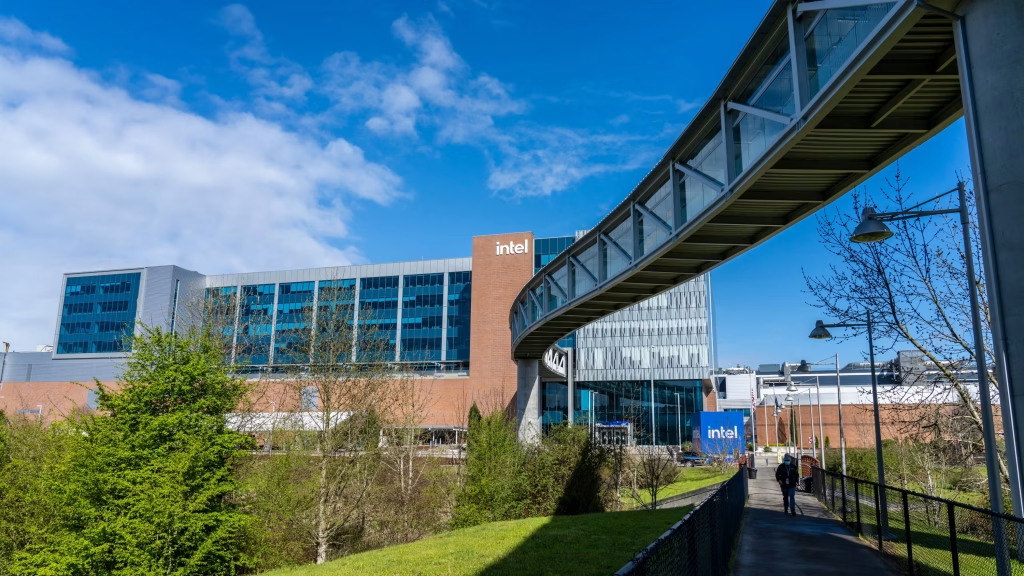
Engineering the Technologies Behind the Energy Transition
Company / Partners: Intel
Intel’s Oregon campuses form the company’s largest global research and development site and remain at the center of the Silicon Forest. Over more than five decades, Intel has invested more than $65 billion in Oregon, helping build one of the world’s leading semiconductor clusters where chips are designed and manufactured to support AI, electrification, renewable energy and the modern electric grid.
Impact:
- Advances semiconductor research and production
- Powers AI, electrification and clean energy technologies
- Anchors a globally significant semiconductor cluster
- Develops engineering for future industries
Recent News
The latest clean energy industry news from Oregon.